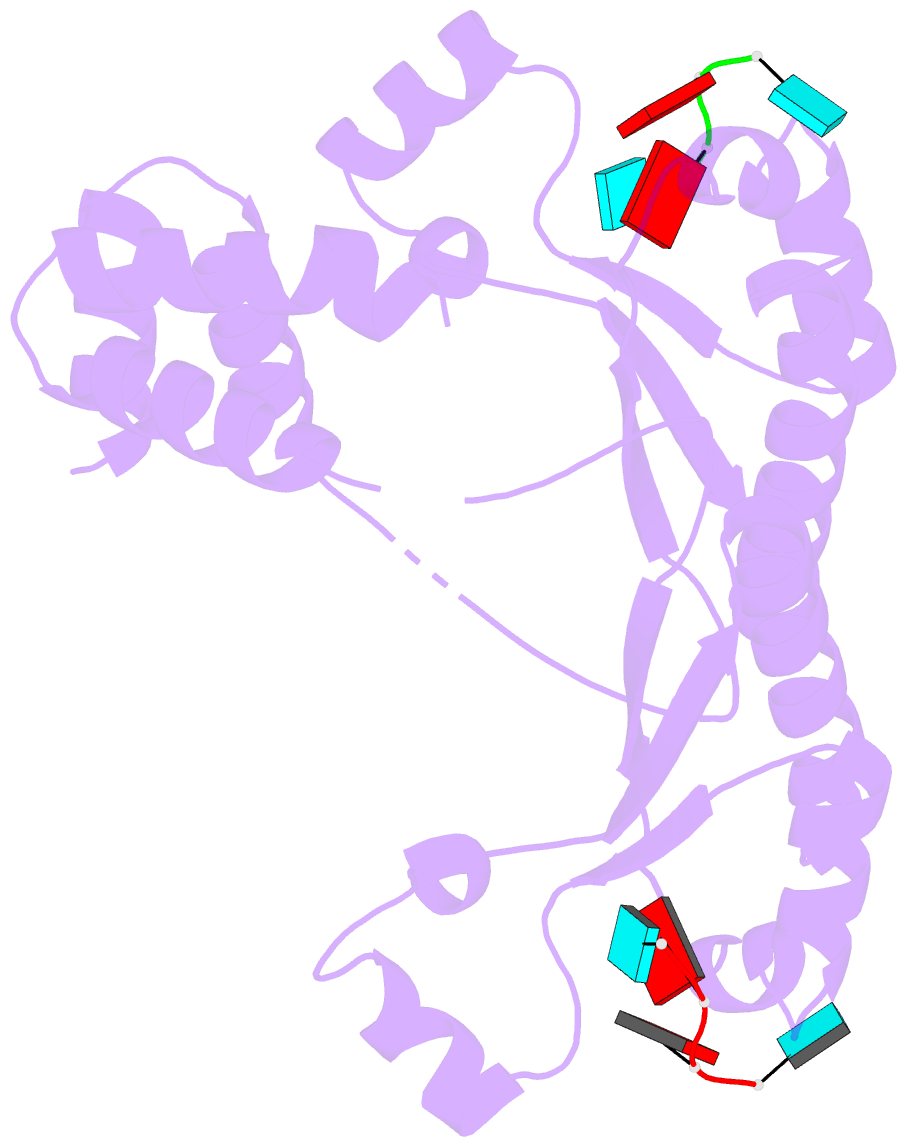
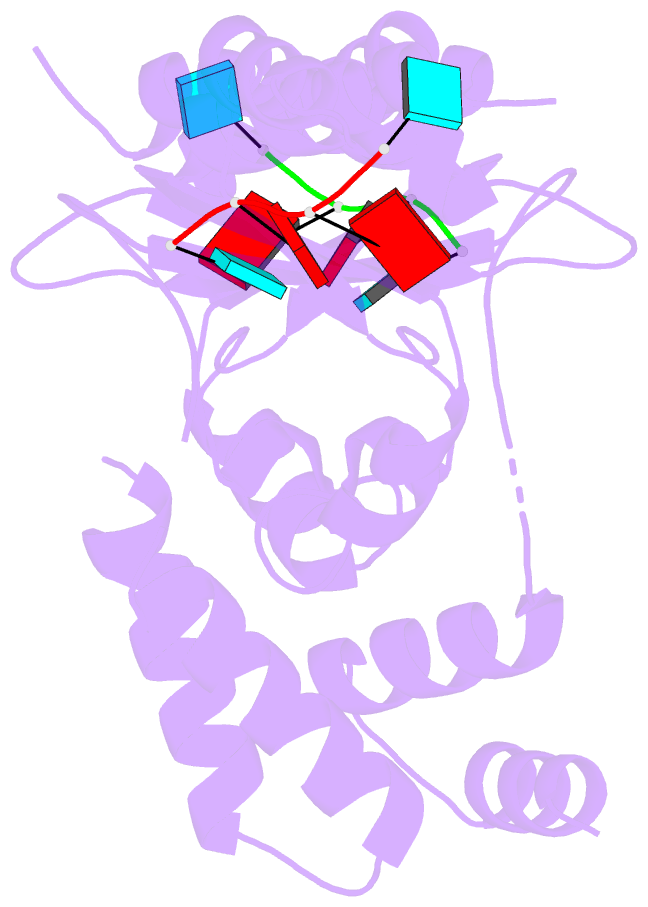
Summary information and primary citation
- PDB-id
-
5elt;
DSSR-derived features in text and
JSON formats
- Class
- RNA binding protein
- Method
- X-ray (2.13 Å)
- Summary
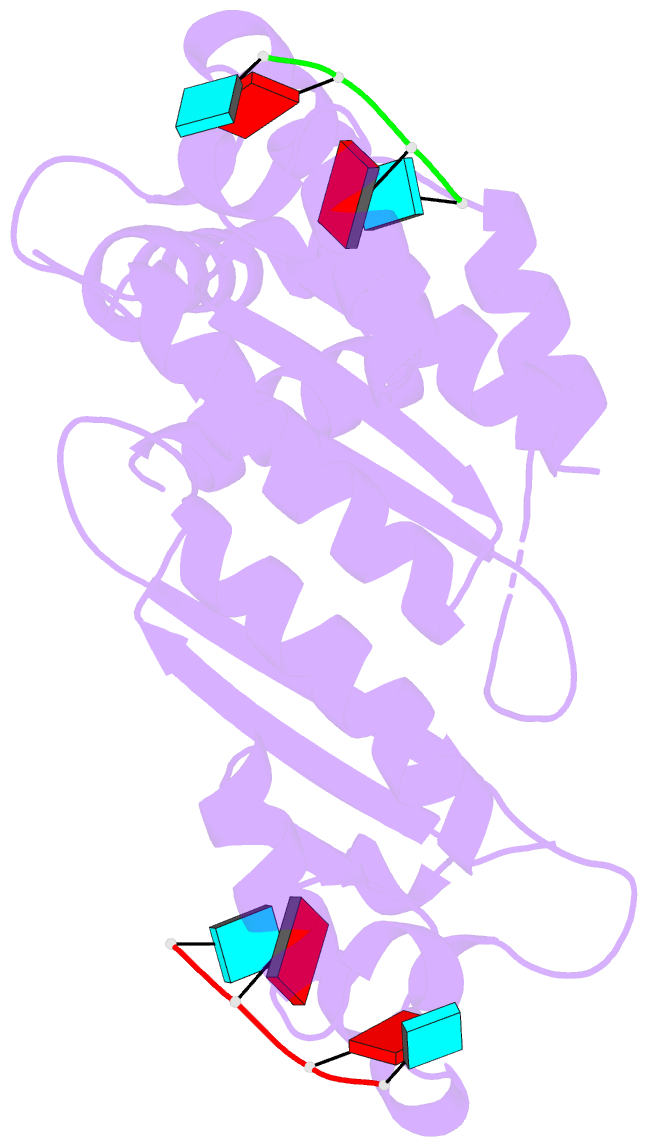
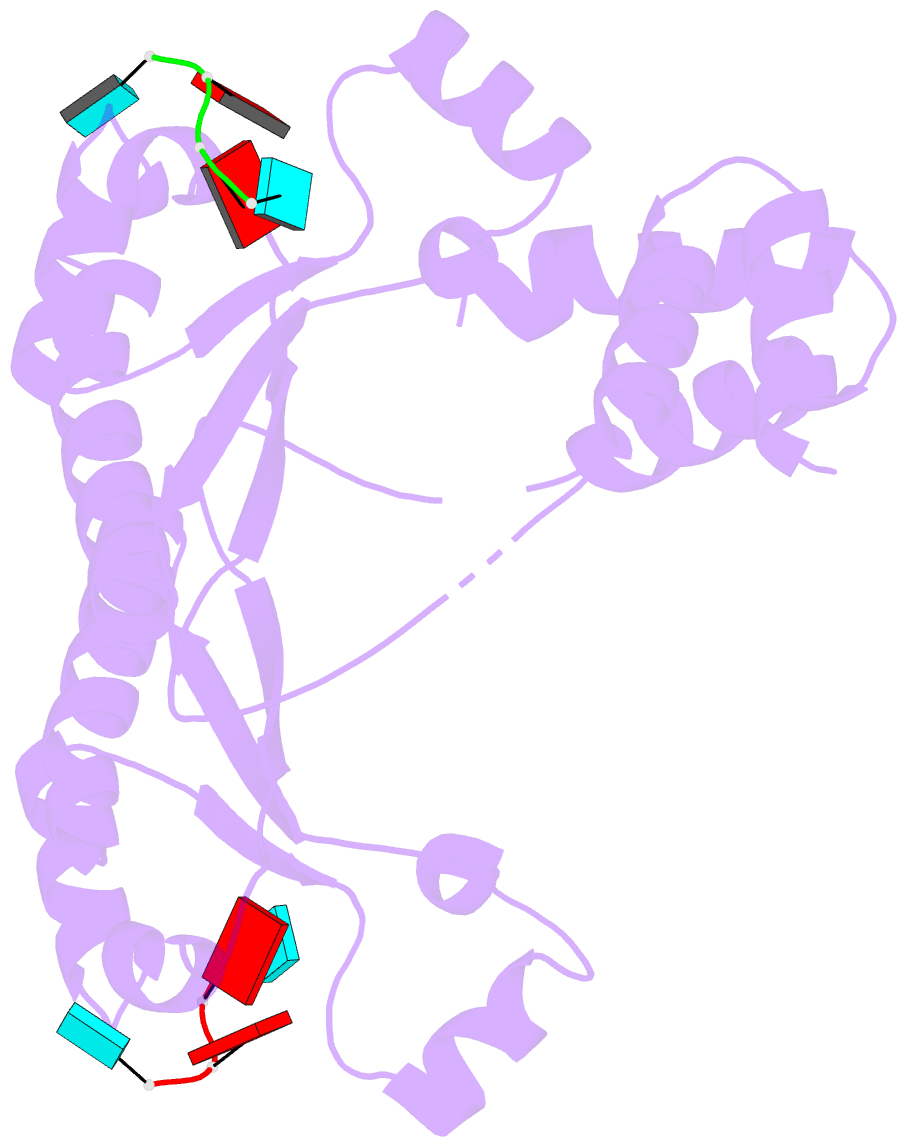
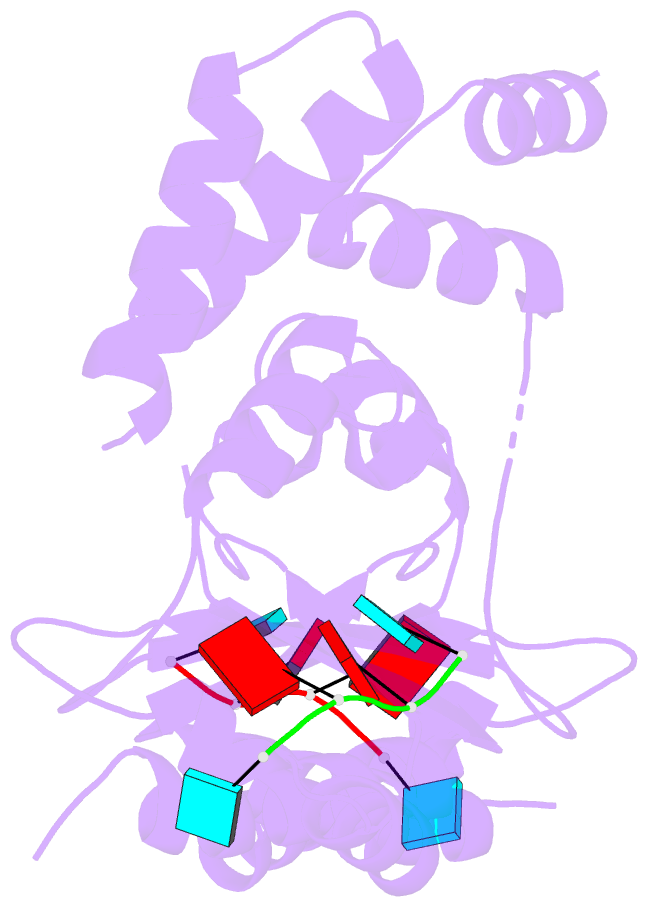
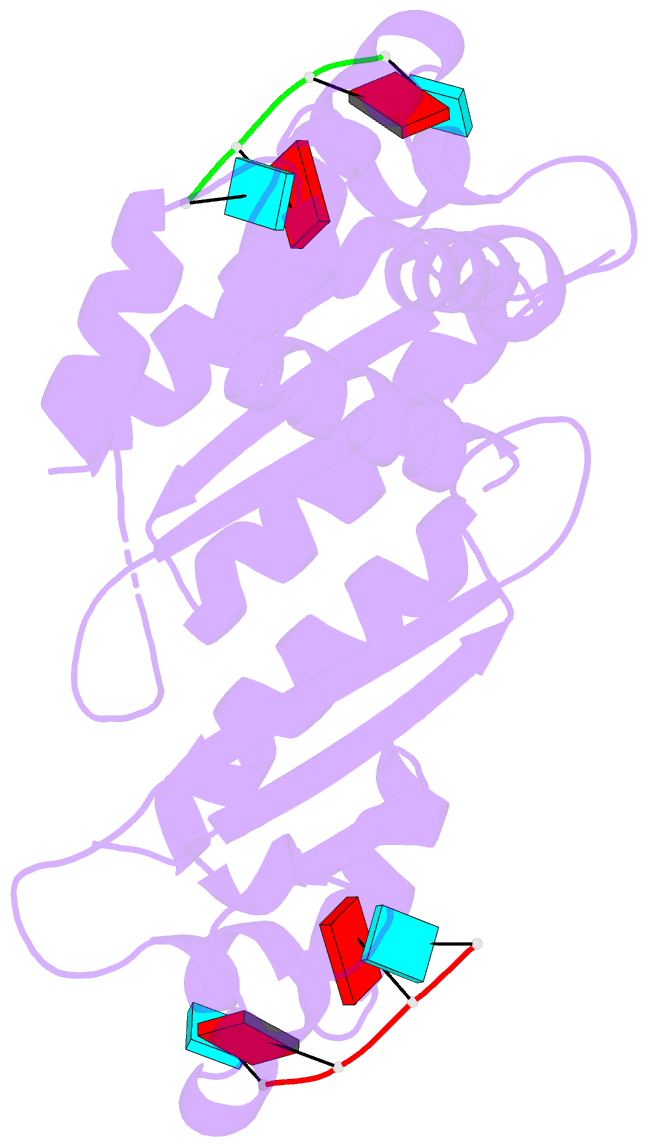
- Structure of the qua1-kh domain of t-star in complex
with uaau RNA
- Reference
-
Feracci M, Foot JN, Grellscheid SN, Danilenko M, Stehle
R, Gonchar O, Kang HS, Dalgliesh C, Meyer NH, Liu Y,
Lahat A, Sattler M, Eperon IC, Elliott DJ, Dominguez C
(2016): "Structural
basis of RNA recognition and dimerization by the STAR
proteins T-STAR and Sam68." Nat Commun,
7, 10355. doi: 10.1038/ncomms10355.
- Abstract
- Sam68 and T-STAR are members of the STAR family of
proteins that directly link signal transduction with
post-transcriptional gene regulation. Sam68 controls the
alternative splicing of many oncogenic proteins. T-STAR is
a tissue-specific paralogue that regulates the alternative
splicing of neuronal pre-mRNAs. STAR proteins differ from
most splicing factors, in that they contain a single
RNA-binding domain. Their specificity of RNA recognition is
thought to arise from their property to homodimerize, but
how dimerization influences their function remains unknown.
Here, we establish at atomic resolution how T-STAR and
Sam68 bind to RNA, revealing an unexpected mode of
dimerization different from other members of the STAR
family. We further demonstrate that this unique
dimerization interface is crucial for their biological
activity in splicing regulation, and suggest that the
increased RNA affinity through dimer formation is a crucial
parameter enabling these proteins to select their
functional targets within the transcriptome.